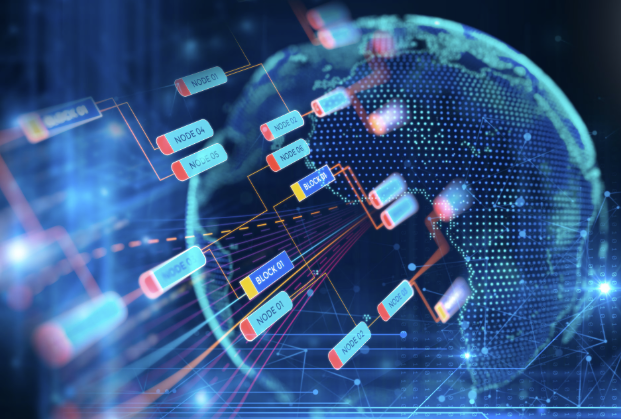
Edge computing represents a pivotal shift in data processing methodologies. By decentralizing data management, it allows for faster decision-making and real-time insights. This technology minimizes latency, enhances security, and supports regulatory compliance. As organizations increasingly embrace edge solutions, the integration of AI and analytics is poised to revolutionize various sectors. However, several challenges remain. What implications do these developments hold for the future landscape of technology?
What Is Edge Computing and How Does It Work?
Although traditional cloud computing relies on centralized data centers, edge computing represents a paradigm shift by processing data closer to the source of generation.
This decentralized approach enhances data processing efficiency and significantly contributes to latency reduction. By minimizing the distance data must travel, edge computing empowers organizations to leverage real-time insights, fostering agility and innovation while promoting greater autonomy in decision-making.
Key Benefits of Edge Computing for Businesses
Edge computing offers a multitude of advantages for businesses seeking to optimize operations and enhance their competitive edge.
Key benefits include substantial cost savings through reduced bandwidth requirements and lower latency, enabling faster decision-making.
Additionally, improved data security is achieved by processing sensitive information closer to its source, minimizing exposure to risks associated with centralized cloud storage and enhancing compliance with regulatory standards.
See also: 3D Printing and Its Applications
Real-World Applications of Edge Computing
In various sectors, the deployment of edge computing has revolutionized how data is processed and utilized, leading to transformative real-world applications.
Smart cities leverage edge computing to optimize traffic management and energy consumption, enhancing urban living.
Similarly, autonomous vehicles rely on edge computing for real-time data processing, improving safety and navigational accuracy, ultimately fostering a more efficient and responsive transportation ecosystem.
Future Trends and Challenges in Edge Computing?
As organizations increasingly adopt edge computing solutions, they must navigate a landscape marked by both promising advancements and significant challenges.
Key future trends include enhanced analytics capabilities and integration of artificial intelligence.
However, security concerns and scalability issues remain critical barriers, necessitating robust frameworks to protect data integrity while ensuring efficient resource allocation.
Addressing these challenges will be pivotal for sustainable growth in edge computing.
Conclusion
In the rapidly evolving landscape of technology, edge computing emerges as a beacon, illuminating the path towards enhanced operational efficiency and data-driven decision-making. Picture a network of interconnected devices, pulsating with real-time insights, as organizations harness the power of localized processing. This paradigm shift not only fortifies data security but also fosters innovation, propelling industries into a future rich with possibilities. As businesses navigate this terrain, the potential for transformative growth remains boundless, awaiting those ready to embrace it.