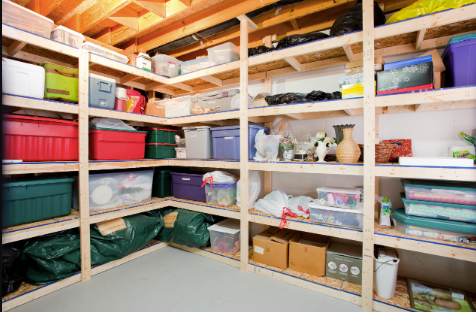
Basement storage starts with a clear assessment: check for cracks, moisture indicators, and access points. Plan sealing, drainage, and safe zones before buying shelves. Use vertical storage and modular bins to maximize floor space. Define zones with labeled bins and keep aisles clear. Improve lighting and ensure vents and dehumidifiers stay unblocked. Regular maintenance and inventories prevent clutter, but absent attention, foundations and storage efficiency may still lag behind.
Assess Your Basement: Concrete, Moisture, and Access
Assessing a basement begins with inspecting the concrete, checking for cracks and moisture signs, and evaluating access points. A clear view of basement moisture and concrete condition guides layout decisions. Note any efflorescence, damp spots, or water intrusion, then test doors, stairs, and egress. Prioritize sealing gaps, improving drainage, and establishing simple, safe storage zones. Freedom starts with reliable foundations.
Smart Shelving and Vertical Storage Solutions
Smart shelving and vertical storage solutions maximize basement square footage while keeping items accessible and organized. Implement wall-mounted systems to free floor space and adjust heights for seasonal items. Use labeled bins on open shelves for quick retrieval, and install tall, narrow units in corners to minimize wasted areas. Prioritize modular designs promoting smart shelving and vertical storage efficiency.
Zoning, Labeling, and Inventory for Easy Access
Zoning, labeling, and inventory for easy access build on the organized framework of smart shelving by assigning defined areas for different item groups. Implement zoning strategies that reflect item frequency and size, creating clear corridors for retrieval.
Use labeling practices with durable tags and consistent terminology, updating inventories regularly to prevent misplacement and ensure quick, independent access for freedom-seeking users.
Lighting, Ventilation, and Long-Term Maintenance
Lighting, ventilation, and long-term maintenance are essential for safe, efficient basement storage. Effective lighting design reduces shadows and improves visibility, while moisture control minimizes mold and odors.
Ensure vents remain unblocked and use dehumidifiers in damp months. Schedule seasonal checks for seals, insulation, and wiring. Label maintenance reminders, and store items elevated to prevent water damage. Freedom through proactive care.
Frequently Asked Questions
How Often Should I Test Basement Humidity Levels?
A practical answer notes that basement humidity should be tested monthly during the first year, then quarterly as moisture control stabilizes; establish a steady measurement cadence, recording levels to guide adjustments and maintain consistent humidity.
What Stain/Paint Resists Basement Moisture Best?
Stains with built-in moisture protection and exterior-grade paints offer best resistance; select epoxy or urethane finishes. They provide durable stain selection and paint performance, reducing vapor ingress. Prioritize mold-resistant primers, proper surface prep, and sealant compatibility for lasting results.
Can Moveable Shelving Prevent Mold Growth Effectively?
Moveable shelving can reduce mold growth by elevating items, improving air circulation, and keeping surfaces dry. Ensure shelves are water-resistant, leave gaps for airflow, and promptly address moisture sources to maintain a drier, more freedom-friendly basement environment.
Is a Sump Pump Worth the Investment in My Space?
A sump pump is worth it, potentially preventing floods and costly damage. Sump pump benefits include effective moisture control; assess space drainage viability, considering basin location, discharge routing, and power reliability for steady performance.
See also: Blockchain-Based Global Economic Platforms
Which DIY Waterproofing Methods Are Safest for Beginners?
Beginner-safe DIY waterproofing options include using waterproofing paints, sealants, and plastic barriers; start with surface treatments. Prioritize starter waterproofing that stays away from excavation. Emphasize proper ventilation, protective gear, and step-by-step safety checks for beginner safety.
Conclusion
In the basement’s quiet hush, each stored item becomes a small lighthouse—a beacon guiding utility through time. The shelves stand as metronomes, syncing motion with season, while labels stitch order into chaos. Moisture whispers from walls, but proper drainage and vents keep its voice soft and distant. Clear zones form a map of safety, and inventories become automatic guardians. When routines align—inspection, lighting, and storage—the foundation breathes ease, and clutter dissolves into organized, enduring calm.