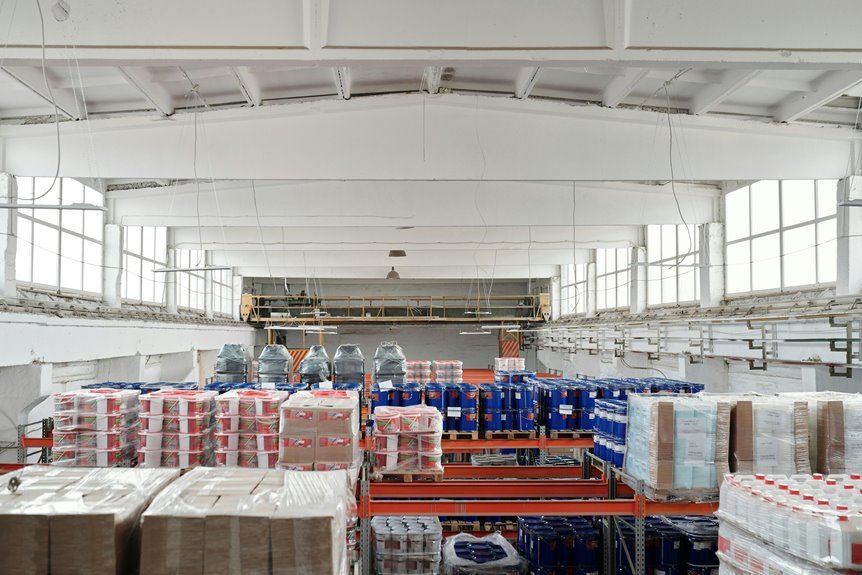
The commercial sector is currently experiencing notable transformations, particularly influenced by identifiers such as 645500532 and 976578301. These trends reflect a growing consumer preference for sustainability and personalized experiences. Companies are increasingly adopting technology to improve operational efficiencies. This shift prompts a reevaluation of competitive strategies. As these dynamics unfold, the implications for future market positioning warrant further examination. What innovative practices will emerge as essential for growth in this evolving landscape?
Analyzing Consumer Behavior Shifts
As consumer preferences evolve in response to economic, social, and technological influences, understanding these behavior shifts becomes imperative for businesses aiming to remain competitive.
Analyzing consumer behavior reveals shifting priorities that increasingly favor sustainability and personalization.
Evolving preferences highlight the need for companies to adapt quickly, ensuring that their offerings align with the values and expectations of their target market, ultimately driving engagement and loyalty.
The Rise of Technology Integration
While businesses strive to meet evolving consumer demands, the integration of technology has emerged as a pivotal strategy for enhancing operational efficiency and customer engagement.
AI advancements and automation trends facilitate digital transformation, allowing companies to deploy smart solutions that significantly improve user experience.
Additionally, data analytics empowers organizations to make informed decisions, ultimately driving growth and adapting to the dynamic commercial landscape.
Market Dynamics and Competitive Strategies
Understanding the complexities of market dynamics is essential for companies seeking to refine their competitive strategies. Effective market segmentation allows businesses to identify distinct consumer needs, enabling tailored marketing efforts.
Concurrently, innovative pricing strategies can enhance value perception, fostering consumer loyalty. By analyzing these elements, firms can navigate competitive landscapes, optimizing resource allocation and positioning themselves advantageously within their respective markets.
Future Opportunities in the Commercial Sector
Numerous opportunities are emerging in the commercial sector, driven by technological advancements and shifting consumer behaviors.
Companies are increasingly adopting sustainable practices, aligning their operations with environmental concerns while enhancing brand loyalty.
Additionally, global expansion presents avenues for growth, allowing businesses to tap into diverse markets.
This dual focus on sustainability and international reach positions organizations favorably in an evolving economic landscape.
Conclusion
In conclusion, the commercial sector’s evolution towards sustainability and personalization underscores the necessity for businesses to adapt their strategies to meet changing consumer expectations. While some may argue that these shifts are fleeting trends, the evidence suggests that they represent a fundamental transformation in market dynamics. Companies that embrace technology and innovative practices will not only enhance operational efficiency but also position themselves favorably for future growth, ensuring long-term relevance in an increasingly competitive landscape.